
 Helpline : 7880161616
 WhatsApp

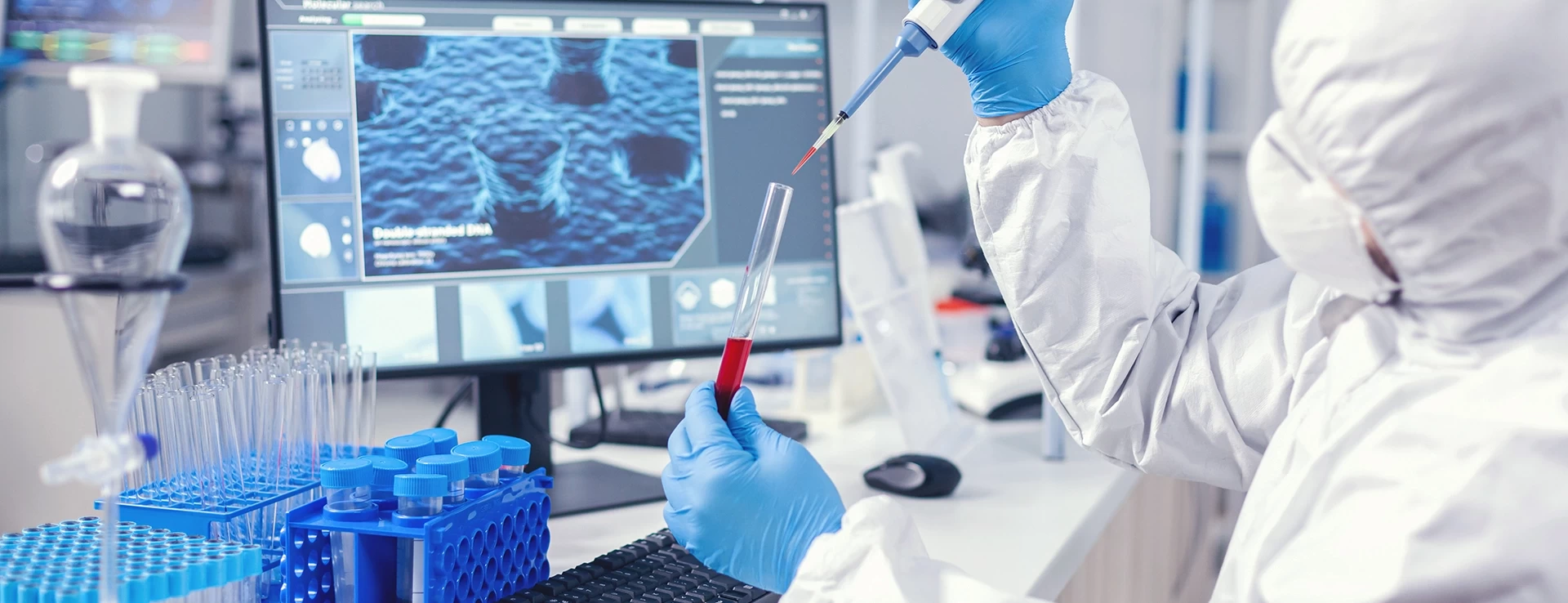
About the Department & USPs
Welcome to the Oncology Department at SMH, where expert care meets compassion. Our team of medical and surgical oncologists delivers comprehensive, patient-centric cancer treatment using advanced medical therapies and cutting-edge surgical techniques.
We are among the leading centres in Central India for minimally invasive cancer surgeries, performing a high volume of precision-driven procedures that ensure better outcomes, faster recovery, and reduced post-operative discomfort. Supported by modern oncology technology and evidence-based protocols, we stand by our patients at every step—empowering them to face cancer with confidence and hope.
Conditions We Treat
- Gastrointestinal Cancers
- Laparoscopic esophagectomy (Food pipe cancers)
- Laparoscopic colo-rectal cancer surgeries
- Stomach cancers (Gastrectomy)
- Laparoscopic small bowel resections
- Hepatobiliary & Pancreatic Cancers
- Whipple’s surgery (Pancreatic & peri-ampullary cancers)
- Radical cholecystectomy (Gall bladder cancers)
- Liver resections (Liver cancers)
- Gynaecological Cancers
- Laparoscopic radical hysterectomy (Uterine, endometrial & cervical cancers)
- Cytoreductive surgeries (Ovarian cancers)
- HIPEC & PIPAC (Stage IV ovarian cancers)
- Vaginal and vulval cancer surgeries
- Head & Neck Cancers
- Composite resections for oral cavity cancers
- Partial & radical glossectomy (Tongue cancers)
- Microvascular free-flap reconstructions
- Thyroidectomy (Thyroid cancers)
- Salivary gland cancers
- Laryngectomies
- Thoracic Cancers
- Uniportal VATS
- Laparoscopic lung resections
- Thymomas
- Mediastinal tumor resections
- Bone & Soft Tissue Cancers
- Limb salvage surgeries
- Bone resections & megaprosthesis
- Breast Cancer
- Lung Cancer
- Hodgkin Lymphoma
- Non-Hodgkin Lymphoma
- Leukemia
- Multiple Myeloma
- Blood Cancers
Caring Hands
- Medical Oncologist
- Surgical Oncologist
- Hematologist-Oncologist
- Gynecologic Oncologist
- Urologic Oncologist
- Oncology Nurse
- Oncology Nutritionist
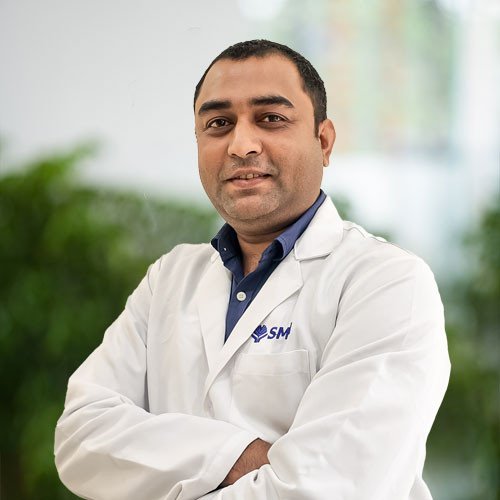
Dr. Ashish Shukla
Junior Consultant, Surgical Oncology Services
Department
Oncology (Medical and Surgical)
Expertise
Head and Neck Oncosurgery, Oral & Maxillofacial Surgery, Head and Neck Cancer Surgery, Oncologic Reconstruction, Microvascular Surgery, Maxillofacial Trauma, Orthognathic Surgery, Dentoalveolar Surgery, Implantology, TMJ Disorders
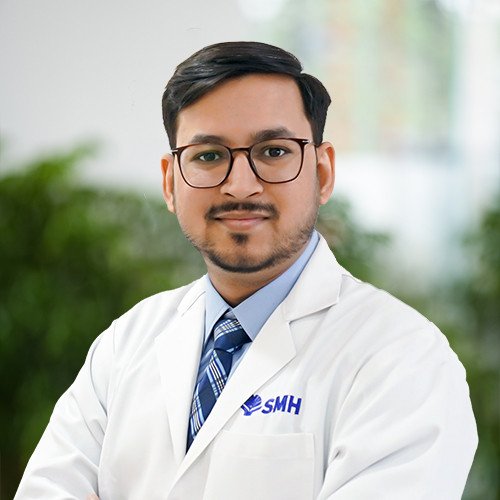
Dr. Shubham Pandey
Consultant, Surgical Oncology Services
Department
Oncology (Medical and Surgical)
Expertise
Minimal invasive oncosurgery | Laparoscopic oncosurgery | Robotic oncosurgery | Breast cancers and oncoplasty | Oral cavity cancers | HIPEC & PIPAC procedures | Thyroid and salivary gland cancers | Esophageal cancers | Stomach and intestinal cancers | Colorectal cancers | Hepatobiliary and pancreatic cancers | Ovarian cancers | Uterine and cervical cancers | Kidney and urinary bladder cancers | Penile and testicular cancers | Bone and soft tissue cancers

Dr. Srikant Tiwari
Senior Consultant, Medical Oncology
Department
Oncology (Medical and Surgical)
Expertise
Hematological Malignancies | Non-Hematological Malignancies | Breast Cancer | Lung Cancer | Gastrointestinal Cancer | Gynecological Cancer | Chemotherapy | Immunotherapy | Hormonal Therapy | Targeted Therapy | Bone Marrow Transplantation | Oncological Emergencies Management | Clinical Research | Research Ethics | Patient-Centric Cancer Care & Communication
Some of these signs may include unexplained weight loss, fatigue, unusual lump or swelling, persistent cough, changes in bowel or bladder habits, bleeding, or non-healing sores. If these signs persist, it is advised that a medical evaluation should be considered.
A cancer diagnosis is done by medical evaluation, imaging studies like CT scans or MRI, and laboratory tests. In many cases, a biopsy is also performed for diagnosis.
Cancer can be treated by surgery, chemotherapy, radiation therapy, targeted therapy, or any combination of these treatments, depending on the type of cancer, its stage, and the patient's general condition.
Side effects vary depending on the type of treatment. The side effects include fatigue, nausea, hair loss, and changes in appetite. Doctors also provide supportive care and medications to aid in the prevention of these effects.
Yes, cancer can be detected early with the use of screening tests such as a mammography, a Pap smear, colon screening, and others, depending on the type of cancer.
A healthy lifestyle can reduce the risk of cancer. It includes quitting the use of tobacco products, limiting alcohol intake, eating a healthy diet, maintaining a healthy weight, and exercising regularly.