
 Helpline : 7880161616
 WhatsApp


About the Department & USPs
Welcome to our Gynecology department, dedicated to providing comprehensive care for women's health. Our specialized team of gynecologists is committed to offering expert services and personalized care to women of all ages. From family planning to reproductive health issues, we provide support and guidance throughout different life stages.
Conditions We Treat
- Polycystic ovary syndrome (PCOS)
- Uterine fibroids (leiomyomas)
- Cervical abnormalities and Pap smear abnormalities
- Menopause and perimenopause symptoms
- Hormonal imbalances
- Ectopic pregnancy
- Pelvic organ prolapses
- Infertility evaluation and treatment
- Preconception counseling and care
- Preoperative and postoperative gynecologic surgical care
- Abnormal uterine bleeding
- Female reproductive system anatomical abnormalities
-
Menstrual disorders:
- Menorrhagia (Heavy menstrual bleeding)
- Dysmenorrhea (Painful periods)
- Amenorrhea (Absent periods)
- Irregular menstrual cycles
-
Pelvic pain:
- Endometriosis
- Pelvic inflammatory disease (PID)
- Ovarian cysts
-
Vaginal infections:
- Bacterial vaginosis
- Yeast infections (Candidiasis)
- Trichomoniasis
-
Contraception and family planning:
- Birth control pills
- Intrauterine devices (IUDs)
- Contraceptive implants
- Barrier methods (e.g., condoms, diaphragms)
- Sterilization procedures (tubal ligation, Essure)
-
Sexually transmitted infections (STIs):
- Human papillomavirus (HPV) infection
- Chlamydia
- Gonorrhea
- Herpes simplex virus (HSV) infection
- Syphilis
-
Gynecologic cancers:
- Cervical cancer
- Ovarian cancer
- Uterine cancer
- Vulvar cancer
- Vaginal cancer
Caring Hands
- Obstetrician-Gynecologist (OB/GYN)
- Reproductive Endocrinologist
- Gynecologic Oncologist
- Maternal-Fetal Medicine Specialist
- Gynecology Nurse
- Infertility Counselor

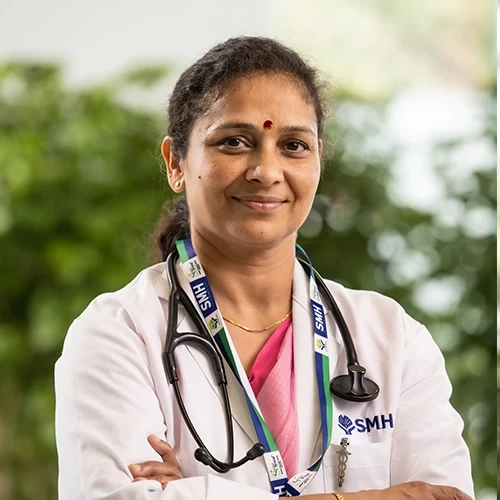
Dr. Anubhuti Jain
Senior Consultant, Obstetrics & Gynaecology Services
Department
Gynaecology and Obstetrics
Expertise
High-Risk Deliveries | Painless Normal Deliveries | Recurrent Miscarriages | Cesarean Myomectomy | Infertility | PCOD | Laparoscopy | Hysteroscopy | Colposcopy | Hysterectomy | Gynaec Cancers | Menstrual Disturbances | Fibroid | GYNAEC CYSTS
Dr. Sapna Bajaj Jain
Senior Consultant, Obstetrics & Gynaecology Services
Department
Gynaecology and Obstetrics
Expertise
Natural Painless Labor & Delivery | SCAR-free Hysterectomy & MIS | Urinary Leak Management | High-Risk Pregnancy Management | Complicated Pregnancy Management | Ectopic Pregnancy Management | Family Planning and Infertility Treatment | PCOS Treatment & Adolescent Gynecological Problems | Cervical Cancer Vaccine | VBAC & Caesarean Delivery | Normal & Natural Birth Assistance | Surgical Treatment of Fibroids & Ovarian Cysts | Uterus Removal Surgery | Menopause Treatment
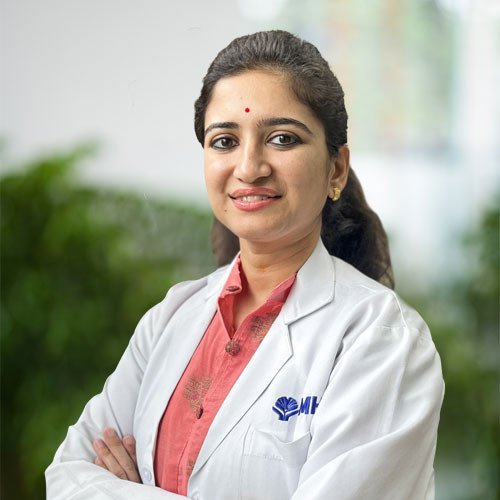
Dr. Shivani Badal Acharya
Consultant, Obstetrics & Gynaecology Services
Department
Gynaecology and Obstetrics
Expertise
High-Risk Deliveries | Painless Normal Deliveries | Recurrent Miscarriages | Cesarean Myomectomy | Infertility | PCOD | Laparoscopy | Hysteroscopy | Colposcopy | Hysterectomy | Gynaec Cancers | Menstrual Disturbances | Fibroid | GYNAEC CYSTS
Technology has made significant advancements in the field of gynecology and obstetrics, enhancing patient care, diagnostics, monitoring, and treatment options. Here are some examples of technologies commonly used in gynecology and obstetrics:
- Ultrasound Imaging
- Fetal Monitoring Systems
- Hysterectomy, Myomectomy, and Endometriosis
- Colposcopy
- Assisted Reproductive Technologies (ART)
- Electronic Medical Records (EMRs)
- Non-Invasive Prenatal Testing (NIPT)
If your at-home pregnancy test is positive or you have missed a period, you should consult your gynaecologist. Depending on your condition and the week of pregnancy, the doctor will evaluate you through blood tests and an ultrasound, and guide you accordingly.
Every pregnancy and every woman’s journey is different. Most exercises are safe during pregnancy. However, you should always consult your doctor before trying out any new or strenuous exercise form.
Some general pointers to keep in mind are walking for 30 mins, prenatal yoga, or swimming, which can strengthen you for labour. Heavy lifting and jumping should be avoided after 5 months.
Normal delivery is preferred if there are no complications. But a C-section is the way to go in cases of complication or previous scar cases.
Most babies start moving between 18-20 weeks. As the weeks progress the movements become stronger and more frequent. But if you suddenly notice an absence or a decrease in movements, then you should contact your doctor immediately.
Back pain is common in late pregnancy due to posture changes and weight gain. You can gett relief by using a warm compress or hot water bag, maintaining correct posture, gentle exercises, physiotherapy if advised, and avoiding high heels. Calcium and vitamin supplements may also help.
PCOS, weight changes, thyroid are some of the common reasons for heavy or irregular periods. A visit to the gynaecologist, few tests and checkup can help determine the actual problem.
A Pap smear is a test that helps detect cervical cancer early. Women post 30 years of age should get a Pap smear done yearly. It is a painless procedure that prevents 90% of cancer cases.
Lifestyle practices such as exercise, yoga, and healthy eating can help. Some women turn to soy products or medical options like hormone therapy if the symptoms are severe. Bone health assessments and calcium/vitamin D supplements are also necessary.