 Helpline : 7880161616
 WhatsApp


About the Department & USPs
Welcome to our hospital's Paediatrics Department, where we prioritise the health and happiness of our little ones. Our team of expert paediatricians is dedicated to providing specialised care for infants, children, and adolescents. With a focus on compassion and expertise, we aim to nurture a generation of healthy and thriving young individuals.
Conditions We Treat
- Respiratory infections (bronchitis, pneumonia)
- Ear Infection
- Gastrointestinal infections (gastroenteritis)
- Allergies (e.g., hay fever, food allergies)
- Asthma
- Attention deficit hyperactivity disorder (ADHD)
- Autism spectrum disorders
- Marasmus
- Kwashiorkor
- Chromosomal disorders / Genetic Disorders
- Childhood obesity
- Nutritional deficiencies
- Congenital heart defects and other heart conditions
- Meningitis
- Infectious Diseases
- Mitochondrial Disorders
- Diabetes Mellites Type-I
- Anemia
- Epilepsy & Other Seizure Disorder
- Physiological & Pathological Jaundice
- Urinary Tract Infection
- Chicken Pox, Measles, Mumps & Other Vaccine preventable diseases
- Childhood Injuries & Accident
- Foreign Body Ingestion
- Intellectual Disability (formerly known as Mental Retardation)
- Specific Learning Disabilities (e.g., dyslexia, dyscalculia)
- Developmental Language Disorder (DLD)
- Motor Developmental Disorders (e.g., Developmental Coordination Disorder)
- Global Developmental Delay (GDD)
- Down syndrome (Trisomy 21)
- Fragile X syndrome
- Cerebral palsy
- Rett syndrome
- Fetal Alcohol Spectrum Disorders (FASD)
- Tourette's syndrome
- Prader-Willi syndrome
- Williams syndrome
- Angelman syndrome
- Asperger's syndrome (now considered part of the autism spectrum)
- Growth Disorders
Caring Hands
- Paediatrician
- Paediatric Nurse
- Neonatologist
- Paediatric Surgeon

Dr. Mahendra Jain
Senior Consultant, Paediatric & Neonatology Services
Department
Paediatrics
Expertise
Management of premature births | Treatment of respiratory distress | Neonatal intensive care | Infection control | Nutrition and feeding

Dr. Nikhil Jain
Consultant, Paediatrics & Neonatology Services
Department
Paediatrics
Expertise
Management of premature births | Treatment of respiratory distress | Neonatal intensive care | Infection control | Nutrition and feeding
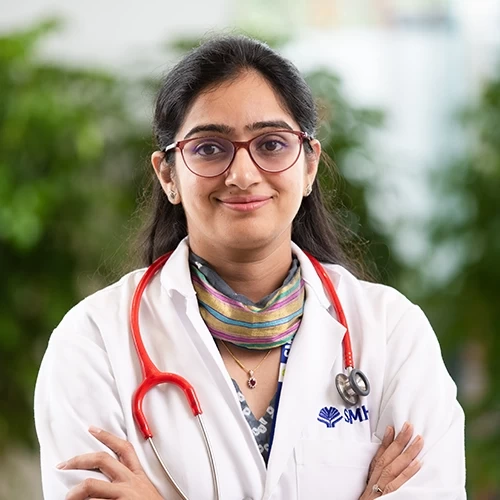
Dr. Priya Sharma
Consultant, Paediatrics & Neonatology Services
Department
Paediatrics
Expertise
General Pediatrics and Newborn Core | Growth & Development Assessment | Pediatric Respiratory & Allergic Disorders | Pediatric Hematological Disorder | Child Immunization & Nutrition
Technology has greatly impacted the field of pediatrics, improving diagnostics, treatment, monitoring, and overall care for children. Here are some examples of technologies commonly used in pediatrics:
- Neonatal Incubators
- Continuous Positive Airway Pressure (CPAP) Machines
- Neonatal Ventilators
- Digital Radiography
- Paediatric Dosing Systems
- Intravenous (IV) Infusion Pumps
- Genetic Screening
- Next-Generation Sequencing (NGS)
- Assistive technologies, such as prosthetics, orthotics, and mobility aids
- Augmentative and Alternative Communication (AAC) Systems
In the first year, babies receive vaccines that protect them against serious infections, your paediatric doctor will update you on these. These include BCG, Hepatitis B, Polio, Pentavalent (DPT+HepB+Hib), Rotavirus, Pneumococcal, and Measles/Rubella. Following the vaccination schedule on time is very important.
In the first 6 months, babies normally weigh around 600-800 grams every month. After that, the weight gain becomes slightly slower. Regular growth monitoring with your paediatrician will help you ensure that your baby is growing well.
In the first 6 months, babies normally weigh around 600-800 grams every month. After that, the weight gain becomes slightly slower. Regular growth monitoring with your paediatrician will help you ensure that your baby is growing well.
Children with ADHD may have difficulties with inattention, hyperactivity, impulsiveness, difficulty remaining seated, or underachievement in school. If these symptoms impact learning or behaviour at home and in school, a pediatric assessment may be helpful.
Common rashes such as heat rash or diaper rash will often resolve with simple care. However, you should see a doctor if the rash is progressing quickly, accompanied by fever, pus, swelling, or if the baby appears to be uncomfortable or ill.
Don’t force the food. Provide veggies in various ways, such as parathas, khichdi, smoothies, cutlets, or fun shapes. Kids may need to see a particular dish 10-15 times before they are comfortable trying it. Seeing parents enjoy healthy meals is a great way to encourage kids to do the same.
Solid foods should begin at 6 months while continuing to breastfeed. Begin with soft foods such as mashed rice, dal water, mashed banana, or homemade cereal. Introduce new foods one at a time and do not give honey, salt, sugar, or juices in the first year.
Common deficiency signs in kids include poor weight gain, frequent illness, pale skin, delayed milestones, low energy, or poor appetite. A pediatric check-up and diet evaluation can help identify deficiencies early.
On average:
• Birth weight: 3 kg, 50 cm
• 1 year: 9-10 kg, 75 cm
• 5 years: 18 kg, 110 cm
Growth charts are used by doctors to monitor children’s progress.
If progress slows down suddenly or remains low, assessment and nutrition counselling may be required.
The following are some of the key milestones for a baby, these can differ a bit but if there are significant delays, then you should consult a paediatrician.
• Sit without support: 6–8 months
• Stand with support: around 9 months
• Walk independently: 12–18 months
Signs that parents should watch out for in their kids include lack of eye contact, no response to name, delayed speech, limited gestures, repetitive play, or poor social interaction. Early screening and therapy can greatly improve development.
At 18 months, children normally use some words, and by 2 years, they begin to make simple sentences. If there is a delay in speech, poor eye contact, no gestures, and no response to name, then assessment is required. Early speech therapy is very beneficial.
Timely vaccination protects children from serious diseases and prevents complications. Keeping a vaccination card and following reminders from your paediatrician ensures your child stays protected.